
Playground Structures
What a commercial playground structure actually is
Everything in this category is a connected system, not a single piece. A deck ties to a slide, a slide ties to a climber, a climber ties to a bridge, and the whole thing gets anchored as one structure with one shared use zone. That’s the line between this category and the free-standing play elements next door, where a spring rider or a single climber stands on its own. If you’re buying the thing a school or a park is built around, you’re buying from this list.
The four vendors here cover most of what gets installed in New Jersey: Playground Equipment builds the bulk of it, and Psagot, Sports Play, and Ultra Play fill out the rest. Different price points, different looks, same idea. One structure, many stations, kids moving through it without touching the ground.
Fall height matters more than how tall it looks
The number that governs a structure isn’t its overall height, it’s the fall height, the distance from the highest standing surface a kid can reach down to the surfacing below. You’ve probably got the platform limits down already, 48 inches for a 2-to-5 zone and 96 inches for school age under CPSC Handbook 325. The part that trips people up is what fall height does to the ground under the structure. The higher it is, the deeper the engineered wood fiber or the thicker the poured rubber has to be to pass ASTM F1292, and that surfacing depth is a real line item that’s easy to underbudget when the eye is on the structure itself.
How big these structures get, with real numbers
The spread is wide, and there isn’t one typical size, so here’s the real range. On the small end, a structure like the Treetop Connection fits a 22′ 10″ × 22′ 10″ use zone at an 8-inch fall height, low and tight enough for a corner of a churchyard. A typical mid-size build, the Merrimack, runs 25′ 5″ × 43′ 1″ with a 4-foot fall height, which in my experience is about what a standard elementary schoolyard puts in. Go up from there and you hit the King’s Gate at 53′ 4″ × 58′ with a 12-foot fall height, and at the top end the Spellcaster’s Summit needs 86′ 6″ × 110′ 6″ of clear space. That last one is a destination playground, not a neighborhood pocket park.
The reason the range is this wide is that a playground structure is really a whole family of products doing one job at different scales. A daycare adding a small composite piece and a county building a signature park are both shopping the same category. Match the structure to the footprint you actually have, not to the photo that looks best.
Before you fall in love with a structure, have three numbers ready
- Your usable footprint, including the use zone buffer, not just the equipment size
- The fall height you can surface for, since that sets your surfacing depth and cost
- Who’s going to use it, because a 2-to-5 zone and a 5-to-12 zone follow different platform rules
Choosing a structure when you’re building or replacing a playground
Most people land in this category for one of two reasons. Either you’re replacing a worn-out structure inside a fixed footprint, an existing concrete border and drainage that isn’t moving, or you’re building from open ground and you get to design the whole site. Those are different jobs. A replacement is a matching exercise, fit a new system into space that’s already defined. New builds start from a blank slate, and that’s where people over-buy, because the biggest structure on the page isn’t always the right one for the crowd that’ll use it.
Send me your site dimensions and your surfacing plan before we talk specific models. I’ve been sizing these since 2013, and I can narrow more than 750 options down to a short list fast once I know your footprint, your fall-height limit, and who’s playing on it. That saves you from ordering a 110-foot structure for a yard that fits 40.
Working from a bid spec, an RFP, or just a rough site sketch? Call 201-670-4000 and I’ll walk through it with you. I’d rather size it right with you on the phone than watch a structure show up too big for the pad.
Showing 1–16 of 803 resultsSorted by latest
-
Quick Ship
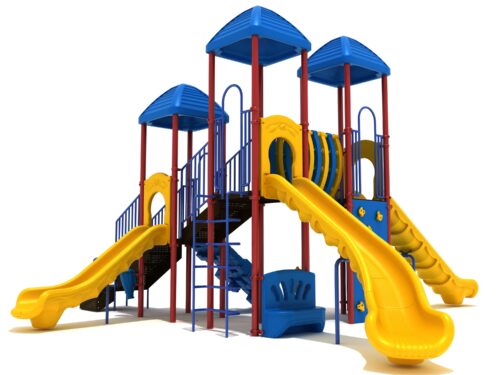
Playground Equipment Lemon Grove
$24,999.00 Select options This product has multiple variants. The options may be chosen on the product page -
Quick Ship
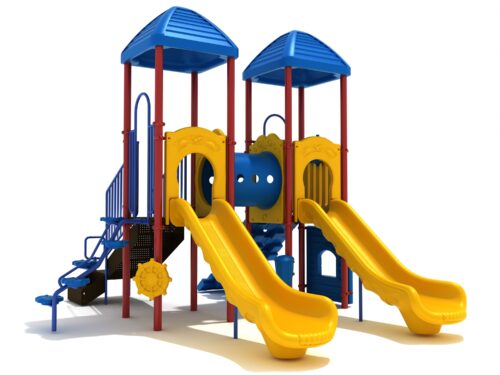
Playground Equipment Sugar Land
$14,362.00 Select options This product has multiple variants. The options may be chosen on the product page -
Quick Ship
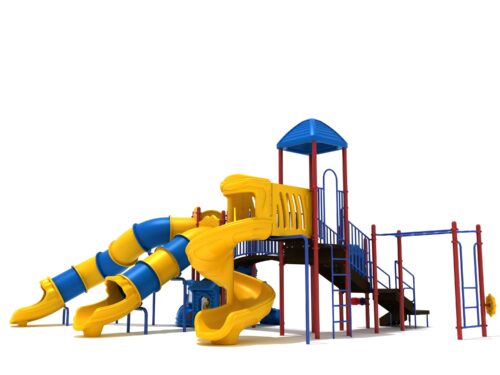
Playground Equipment Surfside
$34,992.00 Select options This product has multiple variants. The options may be chosen on the product page -
Quick Ship
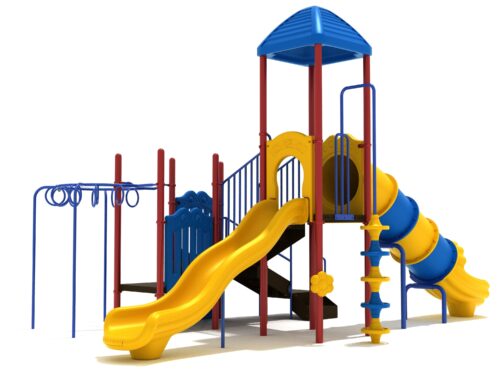
Playground Equipment Mustang Island
$19,999.00 Select options This product has multiple variants. The options may be chosen on the product page -
Quick Ship
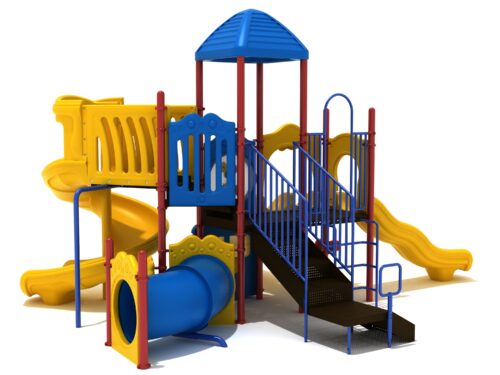
Playground Equipment Hanauma Bay
$22,318.00 Select options This product has multiple variants. The options may be chosen on the product page -
Quick Ship
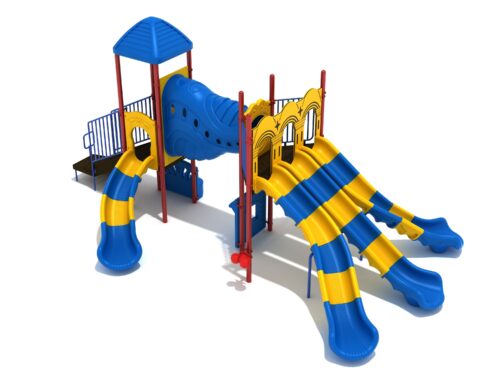
Playground Equipment Casa Grande
$30,207.00 Select options This product has multiple variants. The options may be chosen on the product page -
Quick Ship
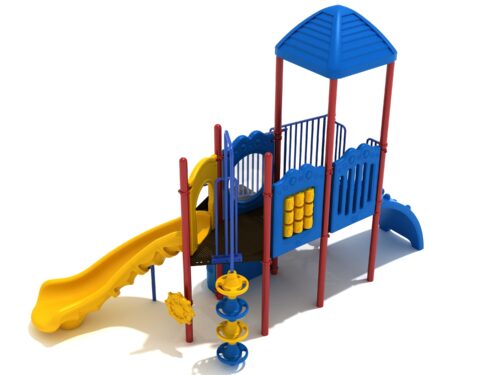
Playground Equipment Diamond Head
$13,954.00 Select options This product has multiple variants. The options may be chosen on the product page -
Quick Ship
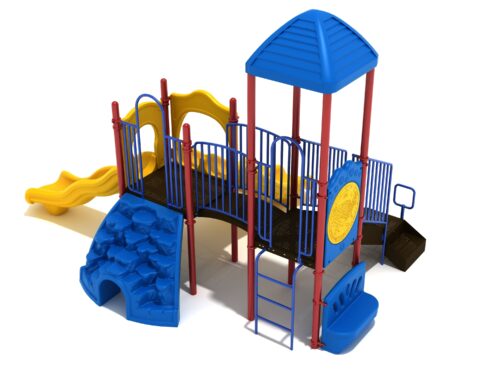
Playground Equipment Gold Canyon
$17,468.00 Select options This product has multiple variants. The options may be chosen on the product page -
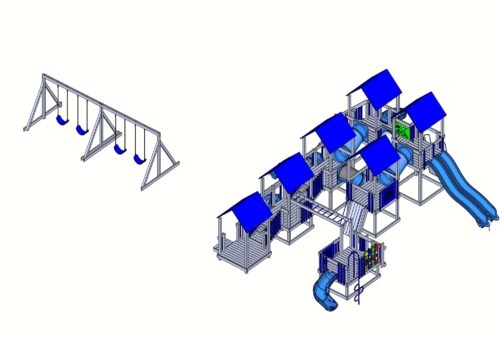
King Swings Commercial Playgrounds Large Package 5
Price range: $128,742.20 through $154,490.64 Select options This product has multiple variants. The options may be chosen on the product page -
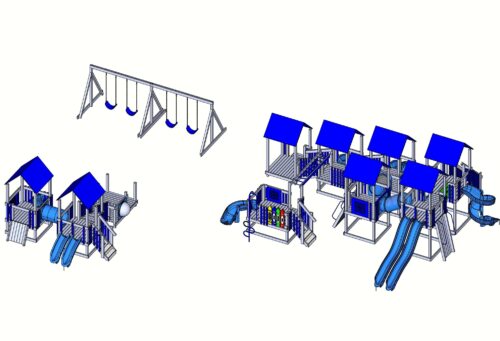
King Swings Commercial Playgrounds Large Package 4
Price range: $170,715.16 through $204,858.19 Select options This product has multiple variants. The options may be chosen on the product page -
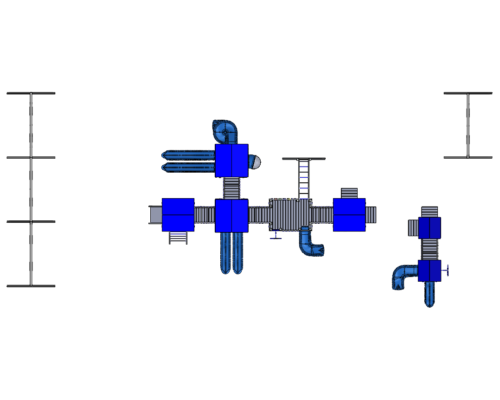
King Swings Commercial Playgrounds Large Package 3
Price range: $149,289.14 through $179,146.97 Select options This product has multiple variants. The options may be chosen on the product page -
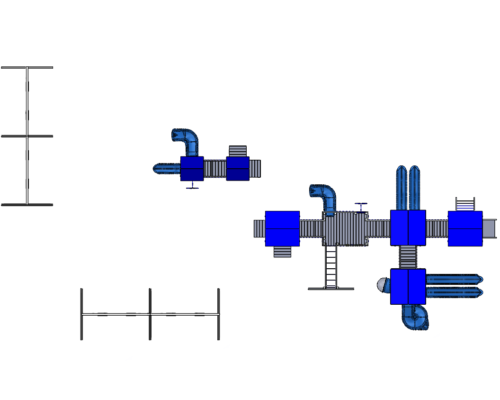
King Swings Commercial Playgrounds Large Package 2
Price range: $140,474.70 through $168,569.64 Select options This product has multiple variants. The options may be chosen on the product page -
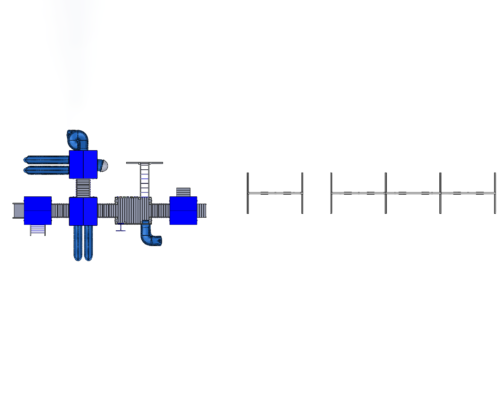
King Swings Commercial Playgrounds Large Package 1
Price range: $117,679.22 through $141,215.06 Select options This product has multiple variants. The options may be chosen on the product page -
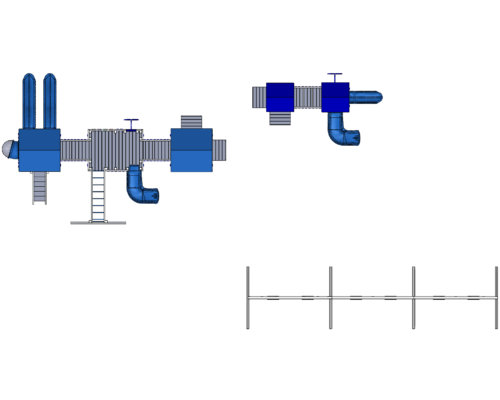
King Swings Commercial Playgrounds Medium Package 5
Price range: $107,820.99 through $129,385.19 Select options This product has multiple variants. The options may be chosen on the product page -
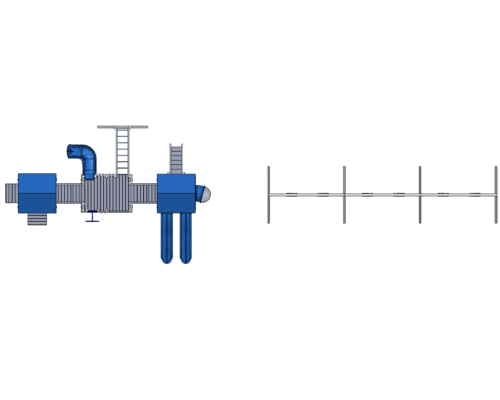
King Swings Commercial Playgrounds Medium Package 4
Price range: $77,778.62 through $93,334.34 Select options This product has multiple variants. The options may be chosen on the product page -
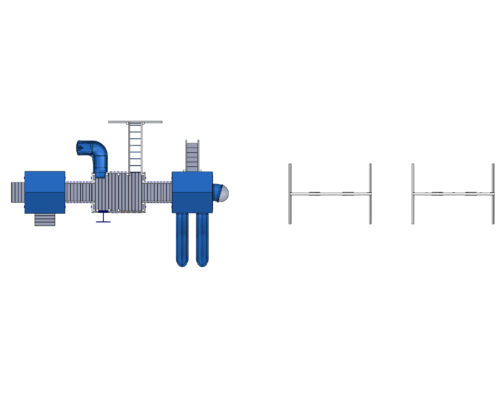
King Swings Commercial Playgrounds Medium Package 3
Price range: $73,892.01 through $88,670.41 Select options This product has multiple variants. The options may be chosen on the product page